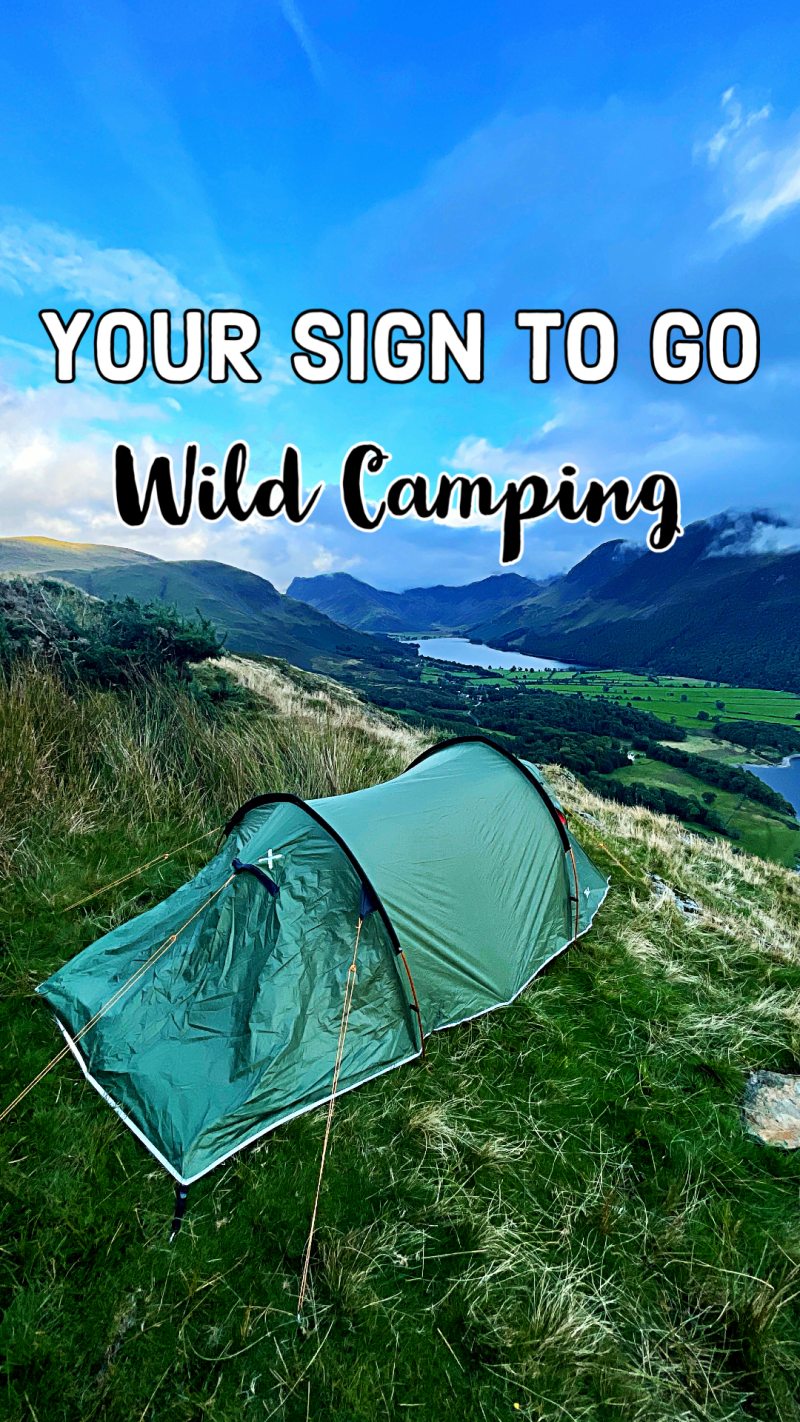
So you’re thinking about going on your first ever wild camping adventure? But you’re just not quite sure where to start? I mean, is it legal to go wild camping in the UK? Here’s my complete guide on everything you need to know about wild camping in the UK, along with a few tips to help make your camp one to remember.
Wild Camping laws in the uk – where can you wild camp?
Wild camping is technically illegal in England and Wales. There are only a few places you can legally wild camp in the UK. These are parts of Scotland and also some areas of Dartmoor national park provided that the code of conduct is followed (although there has been a number of ongoing legal battles relating to Dartmoor and whether wild camping should be allowed). You can see the latest guidance from Dartmoor here.
Snowdonia National Park, the Lake District and Exmoor generally tolerate wild campers who stay out of sight and stay for only one night. Whereas places such as the Peak District National Park and the Yorkshire dales discourage wild campers and you may find that you’re more likely to be challenged.
If you’re concerned about being moved on or challenged then its always an option to try and speak with the landowners of the area which you wish to camp in (if you can find out who they are) and ask their permission to pitch your tent for the night. The worst thing they’ll say is no!
Can you be moved on when wild camping?
Yes. Technically you can be moved on if asked to do so by a landowner or someone patrolling the area you are camping in such as a Ranger in the Peak District.
You’re very unlikely to have any trouble though if you move on when asked and if you’re getting caught then you’re not well hidden enough in the first place.
How do you avoid being moved on when wild camping?
- Arrive late and leave early
- Camp in small groups
- Use a tent that blends into the surroundings
- Don’t stay more than 1 night
- Camp away from trails and roads
- Do not disturb wildlife and plants (camp on flat, dry land)
- If you need to use the toilet, dig a small hole away from the paths and water
- REMEMBER TO LEAVE NO TRACE
Don’t start campfires and make sure you are protecting the area around your cooking system.
Don’t leave anything behind, make sure you take any rubbish and double-check to make sure you’ve picked up all your gear.
Leave the area as you found it, nobody walking by should be able to tell that you have camped there.

What to pack for wild camping
Weather conditions in the mountains can change without warning and you should always make sure that it’s safe to camp before you head out, baring this in mind could affect the gear you pack!
Here’s a list of everything I’m packing to make my wild camping adventures both safe and responsible:
- A backpack (50L as a minimum to carry all your gear)
- A lightweight tent
- Sleeping bag
- Sleeping bag liner (if you’re planning to camp in the colder months)
- Sleeping Mat
- First aid kit
- Head torch & spare batteries
- Lightweight/microfibre towel
- Compact cooking system
- Food – high energy snacks and dehydrated meals.
- Spork
- A lighter or matches
- Hydration bladder
- Water Bottle
- Water filter or purification tablets
- A map & compass
- Spare clothes, especially socks
- Dry bag if the weather forecast is for wet conditions
- Suitable clothing for the mountain conditions
- Power bank & USB cables for gadgets
- Small shovel (for the toilet)
- Biodegradable wet wipes / toilet roll
Remember that as well as needing all these essential bits of kit to make your camp safe and enjoyable you’ll also have to consider the weight of your pack since you’ll most likely be hiking for quite a distance to find your pitch. (Don’t pack too much)!
I also made a post on Instagram about what to pack for a Wild Camping trip – check it out below…
My Top 5 tips for your first wild camping trip
So hopefully now you have all the information you need to go on your very own Wild Camping trip in the UK. Remember to stay safe and always let someone know when and where you’re planning to wild camp. As a recap, here’s my top 5 tips:
- Make sure you scout out your location before you camp. How do you do that? When you’re out hiking in your favourite spots make sure you keep your eyes out for perfect spots to pitch your tent. The perfect wild camping spot should be; away from paths, not too far from water and on flat ground.
- Always make sure you have a Map & compass (and know how to use). Don’t rely just on your phone, especially in the mountains where phone signal can be non-existent.
- Get good quality equipment and test it out before you go camping. You don’t want to spend half an hour trying to work out how to put your new tent up on top of a mountain in the dark or worse still the wind and rain! Pitch your tent in your garden or in a local park and even try spending the night in it to build your confidence.
- Always be safe – know the route you’re going to take and the camping location you’re planning to stay in, you don’t want to get lost up a mountain in the dark! Make sure the location you’ve picked is safe and always check the weather forecast before you head out for the night.
- ALWAYS let someone know your plans. Tell them where you’ll be camping, who you’ll be with and how long you’ll be there for. Make contact with them whenever you can so they know that you’re safe.
Save this post for your UK wild camping adventures